
INDEPENDENCE IN LEARNING
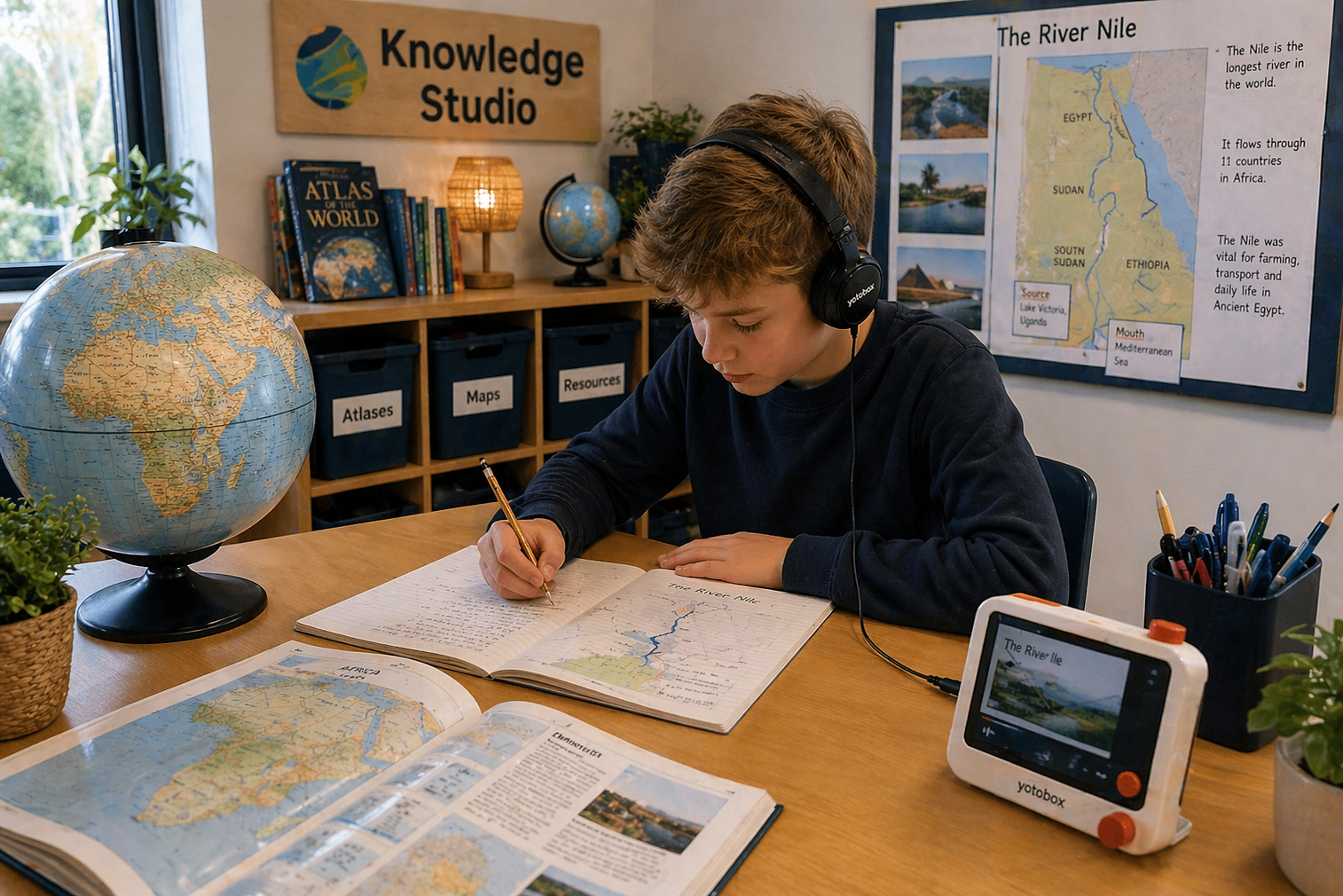
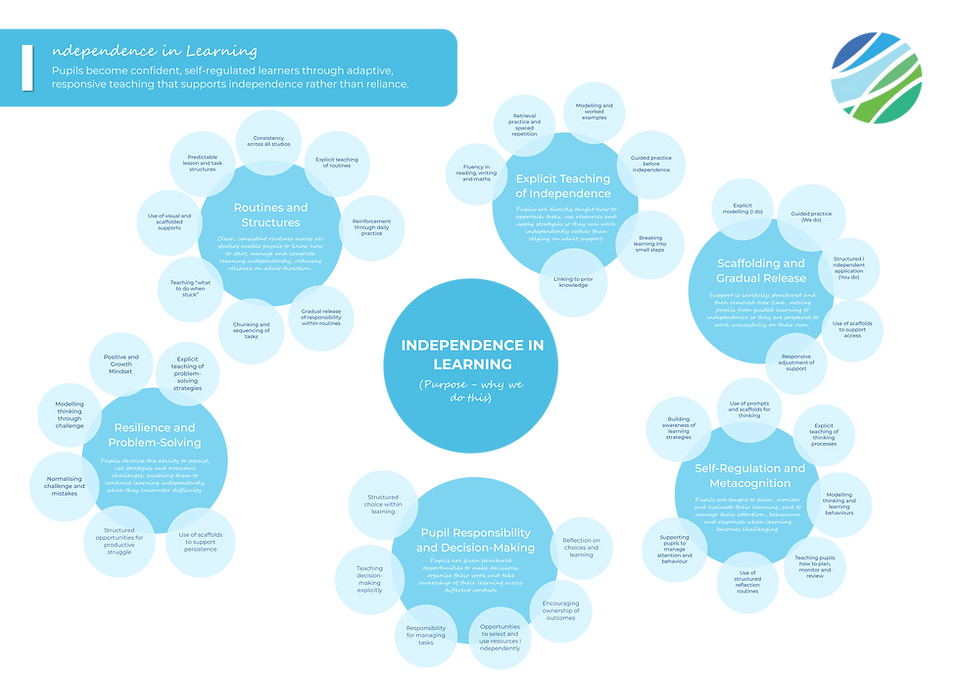
Independence in learning means equipping pupils with the knowledge, strategies and confidence to manage their own learning successfully. Through clear structures, consistent routines and carefully designed teaching, pupils are guided from supported practice towards increasing independence. Adults explicitly model thinking, break learning into manageable steps and teach pupils how to plan, monitor and evaluate their work. Over time, support is gradually removed, enabling pupils to take responsibility, make decisions and persist when learning is challenging. This approach ensures that pupils do not become reliant on adult support, but instead develop the resilience, self-regulation and problem-solving skills needed for success in school and beyond.
Developing confident, self-regulated learners
who take ownership of their learning
.png)
We ensure that all pupils, including those with SEND and disabilities, are supported to develop independence through carefully structured and inclusive teaching. Independence is not left to chance; it is explicitly taught through modelling, guided practice and the gradual release of responsibility. Reasonable adjustments are made so that all pupils can access and engage in independent learning, including the use of scaffolds, visual supports, adapted resources and structured routines. Adults provide targeted support based on need, which is reduced over time to avoid reliance and promote self-regulation. Pupils are taught how to manage their attention, approach challenges and use strategies when they become stuck, ensuring that independence is achievable for every learner. Through this approach, all pupils are enabled to take increasing responsibility for their learning and succeed alongside their peers.